
Hydraulic Fracturing Fluids: Understanding the Role of HEC Applications
Hydraulic fracturing, also known as fracking, is a process used to extract natural gas and oil from deep underground rock formations. This process involves injecting a mixture of water, sand, and chemicals into the rock at high pressure to create fractures that allow the gas or oil to flow more freely. One key component of the fracking fluid is a type of polymer known as hydroxyethyl cellulose (HEC).
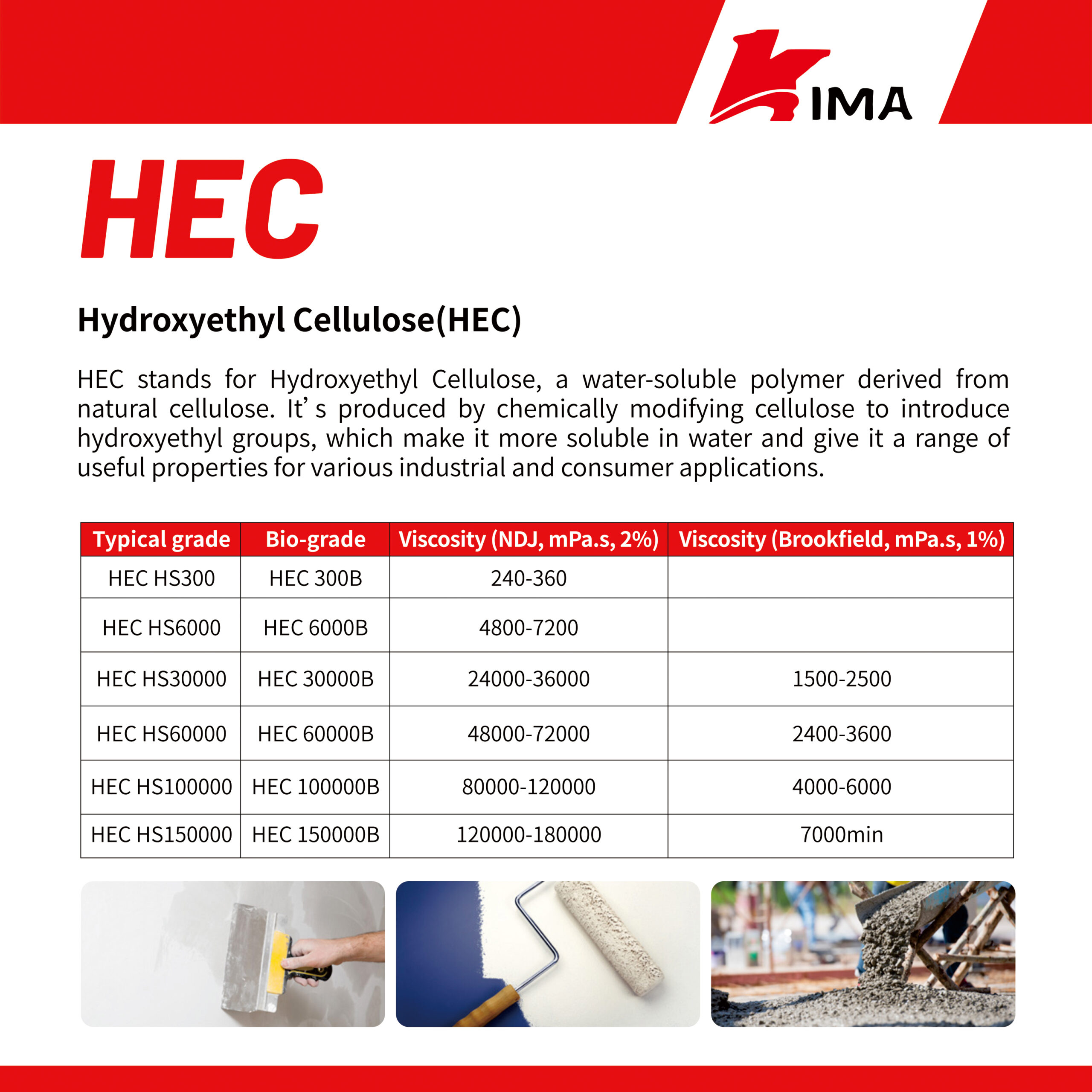
HEC is a water-soluble polymer that is commonly used in a variety of industries, including the oil and gas industry. In hydraulic fracturing fluids, HEC serves several important functions. One of the primary roles of HEC is to increase the viscosity of the fracking fluid. This helps to carry the proppant (usually sand) into the fractures created in the rock, where it helps to hold the fractures open and allow the gas or oil to flow more easily.
In addition to increasing viscosity, HEC also helps to stabilize the fracking fluid and prevent it from breaking down under the high pressures and temperatures encountered during the fracking process. This is important because a stable fluid is essential for ensuring that the fractures remain open and that the gas or oil can flow freely to the surface.
Another important role of HEC in hydraulic fracturing fluids is to reduce friction between the fluid and the walls of the wellbore. This helps to prevent damage to the wellbore and allows the fluid to flow more easily through the well, improving the efficiency of the fracking process.
HEC is also biodegradable, which is an important consideration in the oil and gas industry, where environmental concerns are increasingly important. By using HEC in fracking fluids, companies can reduce their environmental impact and ensure that any residual fluid left in the wellbore will break down naturally over time.
Overall, HEC plays a crucial role in the success of hydraulic fracturing operations. Its ability to increase viscosity, stabilize the fluid, reduce friction, and biodegrade make it an ideal choice for use in fracking fluids. As the demand for natural gas and oil continues to grow, the use of HEC in hydraulic fracturing fluids is likely to become even more widespread.
In conclusion, HEC applications in hydraulic fracturing fluids are essential for ensuring the success and efficiency of fracking operations. By understanding the important role that HEC plays in fracking fluids, companies can make informed decisions about the types of polymers to use in their operations. With its ability to increase viscosity, stabilize the fluid, reduce friction, and biodegrade, HEC is a versatile and effective polymer that is well-suited for use in hydraulic fracturing fluids.
The Benefits of Using HEC in Hydraulic Fracturing Fluids
Hydraulic fracturing, also known as fracking, is a process used to extract natural gas and oil from deep underground rock formations. This process involves injecting a mixture of water, sand, and chemicals into the rock at high pressure to create fractures that allow the gas or oil to flow more freely. One key component of the fracking fluid is a type of polymer called hydroxyethyl cellulose (HEC).
HEC is a water-soluble polymer that is commonly used in a variety of industries, including pharmaceuticals, cosmetics, and food production. In the context of hydraulic fracturing, HEC serves several important functions. One of the primary benefits of using HEC in fracking fluids is its ability to increase the viscosity of the fluid. This helps to carry proppants, such as sand or ceramic beads, into the fractures created in the rock, where they help to hold the fractures open and allow the gas or oil to flow more freely.
In addition to its viscosity-enhancing properties, HEC also helps to reduce friction within the fracking fluid. This can help to prevent the formation of blockages or clogs in the wellbore, which can impede the flow of gas or oil to the surface. By reducing friction, HEC can also help to improve the overall efficiency of the fracking process, leading to higher yields and lower costs.
Another benefit of using HEC in hydraulic fracturing fluids is its ability to form a stable gel. This gel-like structure helps to suspend the proppants in the fluid and prevent them from settling out or clumping together. This can help to ensure that the proppants are evenly distributed throughout the fractures in the rock, maximizing their effectiveness in holding the fractures open and allowing the gas or oil to flow.
Furthermore, HEC is biodegradable and non-toxic, making it an environmentally friendly choice for use in fracking fluids. Unlike some other polymers that are used in fracking, HEC breaks down naturally over time and does not pose a risk to the environment or human health. This can help to mitigate some of the concerns surrounding the environmental impact of hydraulic fracturing and make the process more sustainable in the long term.
Overall, the benefits of using HEC in hydraulic fracturing fluids are clear. Its ability to increase viscosity, reduce friction, form a stable gel, and be environmentally friendly make it a valuable component of the fracking process. By incorporating HEC into their fracking fluids, companies can improve the efficiency and effectiveness of their operations while also reducing their environmental footprint.
In conclusion, HEC plays a crucial role in the success of hydraulic fracturing operations. Its unique properties make it an ideal choice for use in fracking fluids, helping to improve the overall performance of the process and minimize its environmental impact. As the demand for natural gas and oil continues to grow, the importance of using sustainable and effective technologies like HEC in hydraulic fracturing will only become more apparent.
Best Practices for Incorporating HEC Applications in Hydraulic Fracturing Operations
Hydraulic fracturing, also known as fracking, is a widely used method for extracting oil and gas from underground rock formations. This process involves injecting a mixture of water, sand, and chemicals into the rock at high pressure to create fractures that allow the oil and gas to flow more freely to the surface. One key component of the fracking fluid is a type of polymer known as hydroxyethyl cellulose (HEC).
HEC is a water-soluble polymer that is commonly used in a variety of industries, including the oil and gas industry. In hydraulic fracturing operations, HEC is added to the fracking fluid to help control viscosity and improve the overall performance of the fluid. By incorporating HEC into the fracking fluid, operators can achieve better proppant transport, reduce friction pressure, and enhance the overall efficiency of the fracturing process.
One of the main benefits of using HEC in hydraulic fracturing fluids is its ability to increase the viscosity of the fluid. This is important because it helps to carry proppants, such as sand or ceramic beads, into the fractures created in the rock. By increasing the viscosity of the fluid, HEC helps to suspend the proppants and prevent them from settling out, which can lead to poor fracture conductivity and reduced well productivity.
In addition to improving proppant transport, HEC also helps to reduce friction pressure in the wellbore. Friction pressure is a major concern in hydraulic fracturing operations, as it can lead to increased pumping costs and decreased fracture efficiency. By adding HEC to the fracking fluid, operators can reduce friction pressure and improve the overall performance of the fracturing process.
When incorporating HEC into hydraulic fracturing fluids, it is important to follow best practices to ensure optimal results. One key consideration is the concentration of HEC in the fluid. The optimal concentration of HEC will depend on a variety of factors, including the type of rock formation being fractured, the desired fracture geometry, and the specific requirements of the well.
Another important consideration when using HEC in hydraulic fracturing fluids is the compatibility of the polymer with other additives in the fluid. It is important to carefully select additives that are compatible with HEC to avoid any negative interactions that could impact the performance of the fluid.
In addition to concentration and compatibility, it is also important to consider the shear stability of HEC in hydraulic fracturing fluids. Shear stability refers to the ability of the polymer to maintain its viscosity and performance under high shear conditions, such as those encountered during pumping operations. By selecting a high-quality HEC product with good shear stability, operators can ensure that the fracturing fluid performs consistently throughout the pumping process.
Overall, HEC is a valuable additive in hydraulic fracturing fluids that can help improve the efficiency and effectiveness of the fracturing process. By following best practices for incorporating HEC into fracking fluids, operators can achieve better proppant transport, reduce friction pressure, and enhance the overall performance of their hydraulic fracturing operations.
Q&A
1. How can HEC be used in hydraulic fracturing fluids?
HEC can be used as a thickening agent in hydraulic fracturing fluids to increase viscosity and improve proppant suspension.
2. What are the benefits of using HEC in hydraulic fracturing fluids?
HEC can help improve fluid efficiency, reduce friction, and enhance proppant transport during the fracturing process.
3. Are there any drawbacks to using HEC in hydraulic fracturing fluids?
Some potential drawbacks of using HEC in hydraulic fracturing fluids include increased cost, potential compatibility issues with other additives, and the need for proper mixing and hydration procedures.